Your Property
Whether you need a fence for your home or business, we have the skill and experience to deliver the best service and quality in Colorado Springs. We install all types of fencing, from cedar to vinyl to iron, and more. Contact us today for a free estimate!
Customized Solutions for
Your Fencing Needs
Quality Fencing Since 1999
Professional Installations
fit your budget, style, and preferences
Customized
Solutions
Did You Have A Positive Experience With Us?
Leave us A review!
Aspen Country Fence
Your Fence Experts
Aspen Country Fence is a fence contractor that has been serving the Colorado Springs and surrounding area since 1999. We are owned and operated by Bill Lehman and Chris Penchoff, who have built the business from the ground up to be one of the top in the industry.
We install a wide variety of fence types, including Cedar, Chain Link, Vinyl, Ornamental Iron, Composite and Ranch fencing. We have many repeat clients, both residential and commercial, who trust us for our service and quality. Whether you need a fence for privacy, security, or aesthetics, we have the solution for you.
Installation Services
Repairing
Services
Upgrade Services
Get Your Fence Installed By Experts
Our Services
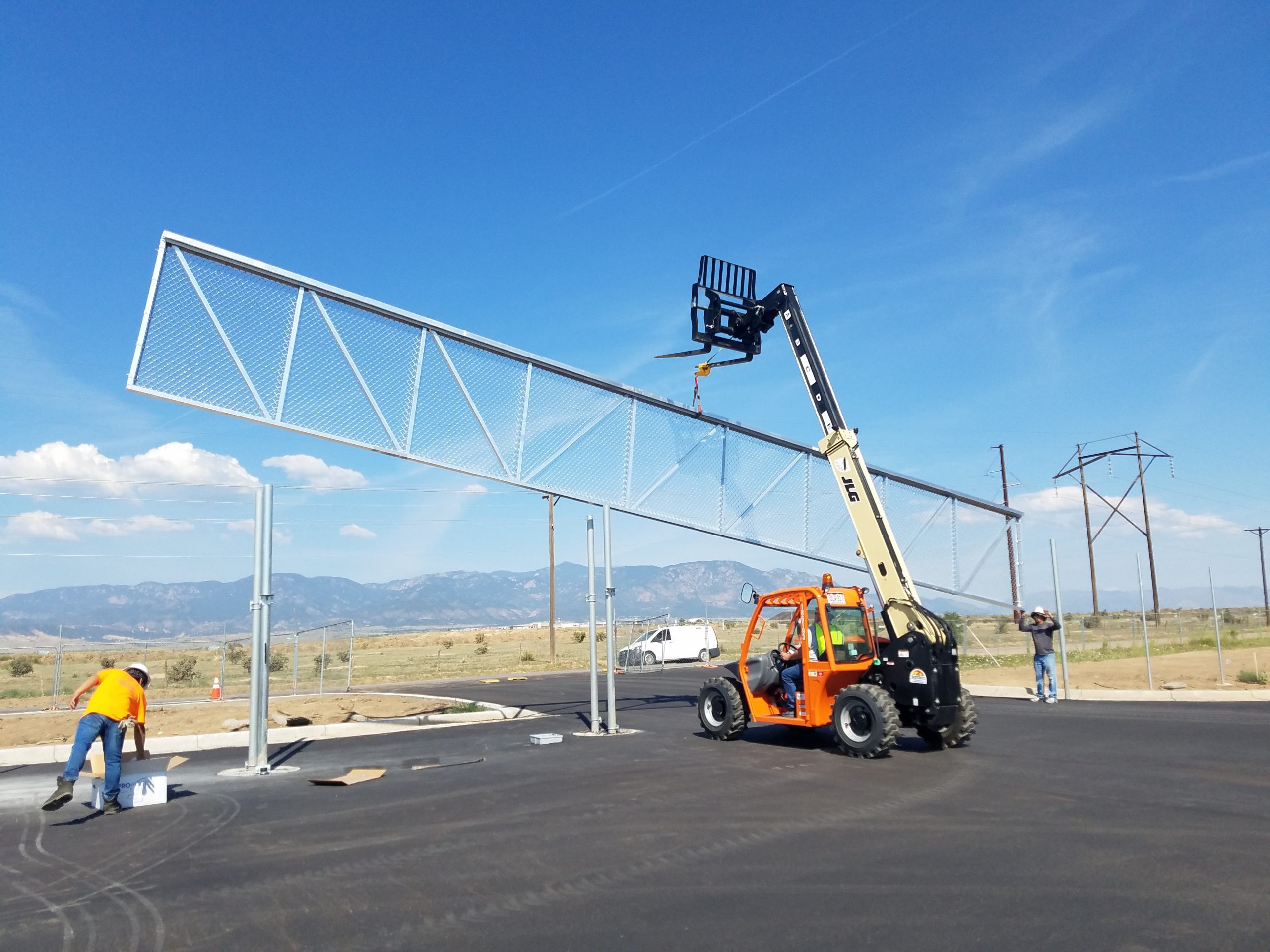
ACF installs a wide variety of fence to satisfy your needs. We install Cedar, Chain Link, Vinyl (PVC), Ornamental Iron, Composite and Ranch fencing.
We have several repeat clients (residential and commercial) who have been very satisfied with our service and quality which has helped us become the successful company we are today. List of fences we offer:
- Wood Fence
- Cedar Fence
- Chain Link Fence
- Ornamental Steel Fence
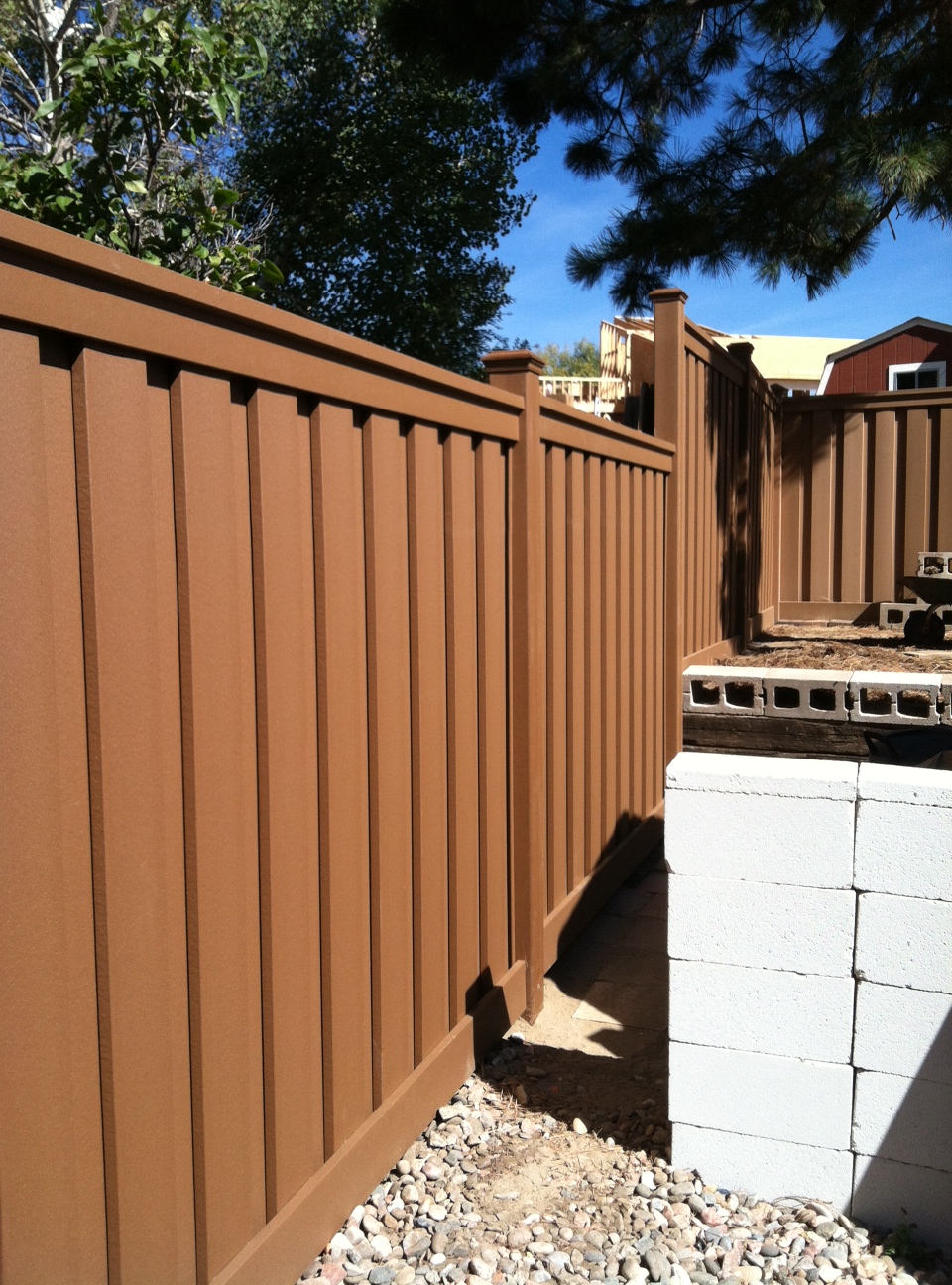
- Composite Fences
- Picket Fence
- Security Fences
- Barbed Wire Fence
- Gates
- Dog Fence
- Vinyl Fence
- Brick Columns
- Field Fences
- Metal Fence
- Pool Fence
- Split Rail Fences
- Aluminum Fence
- and many more!
Choosing The Fencing Professionals
Why Our clients Love Us
Get Your Fence Installed By Experts
See Our Work
If you’re in the market for a new outdoor fence or gate, you’re probably feeling overwhelmed by the vast selection of options available. From wood to metal to vinyl and more, there are countless styles, sizes, and materials to choose from. So how do you even begin to narrow down your choices?
At Aspen Country Fence, we understand how challenging it can be to find the perfect fence or gate for your specific needs. That’s why we’ve created a comprehensive photo gallery showcasing projects we’ve completed over the years. Our gallery is a valuable tool for inspiration and new ideas. It can help you visualize how different types of fences might look on your property.
Explore our photo gallery and discover which fence styles speak to you the most! Whether you’re looking for something stylish and modern or classic and rustic, we’re confident that you’ll find plenty of inspiration to help you make an informed decision.
Choose From Our
Quality Partners
Our team use a sub-contractor unless it’s an automatic gate or some brick columns. Our employees are well trained and take pride in what they do. Everyone in the field understands what our company’s expectations are and makes sure that you are satisfied with the finished product.
Most of our projects do not require any funds upfront and with that said you do not have to pay us until the project is completed and you are totally satisfied.